



Reformation Greetings from The President
 Recently I spoke at a Toronto Circuit convocation on the history and content of Martin Luther’s Deutsche Messe (German Mass and Order of Service). “Mass” comes from the Latin word for “dismissal” and refers to the ancient practice of dismissing from the service those who could not commune. It was the word everyone used in Luther’s day for the service of the Lord’s Supper and so it is in our Confessions. 2026 marks the 500th anniversary of its publication. In this work we see Luther moving from rediscovering and expressing the doctrine of Scripture (as he came to understand it from Scripture and the Church Fathers) to trying to reform the actual practice of the Church so that it aligned with the pure Gospel. This document shaped our understanding of the worship of the Church and led to many of the things confessed in the Augsburg Confession (especially articles 7, 15, 22, 24, 28).
I had a wonderful time visiting with the saints of the Toronto circuit, but our conversations showed that Luther’s work is still of prime importance today. So, I hope to speak on it more in the future.
In 1523 Luther had published a Latin Mass where he removed the corrupted parts of the Divine Service. However, he dallied on publishing a German language Divine Service. One primary reason was that he wanted it to be of good quality, and to use music that wasn’t just Gregorian chant with German words, but well suited for the German language. This required him, and others, to write German poetry and music and develop German hymnody. The outburst of hymn writing that came from himself and others shaped the direction of Lutheranism for the next two hundred years. This hymnody worked hand and hand with the Small Catechism (1529) to sink the faith into the hearts of the common people.
Another major change from the medieval Roman Mass was that Luther created a chant for the Words of Institution. This was because “faith comes by hearing” (Romans 10:17) and without microphones chanting was the way to make sure everyone heard it. Prior to this, the Words of our Lord (“Our Lord Jesus Christ on the night in which He was betrayed…”) were whispered to the bread and the wine, and the average person didn’t know what was happening. This is where the term “Hocus Pocus” comes from, from the Latin phrase “Hoc est corpus meum” (this is my body). But so that people’s faith could cling to the clear Word of our Lord the pastor would loudly chant Jesus’ words in German. So, if you’ve ever heard your pastor chant this part of the service and thought, “Wow, that seems so Roman Catholic,” know that he is actually doing a Lutheran thing! In fact, even the chant tone (music) for that in Lutheran Service Book comes from Luther.
Have a blessed festival of the Reformation.
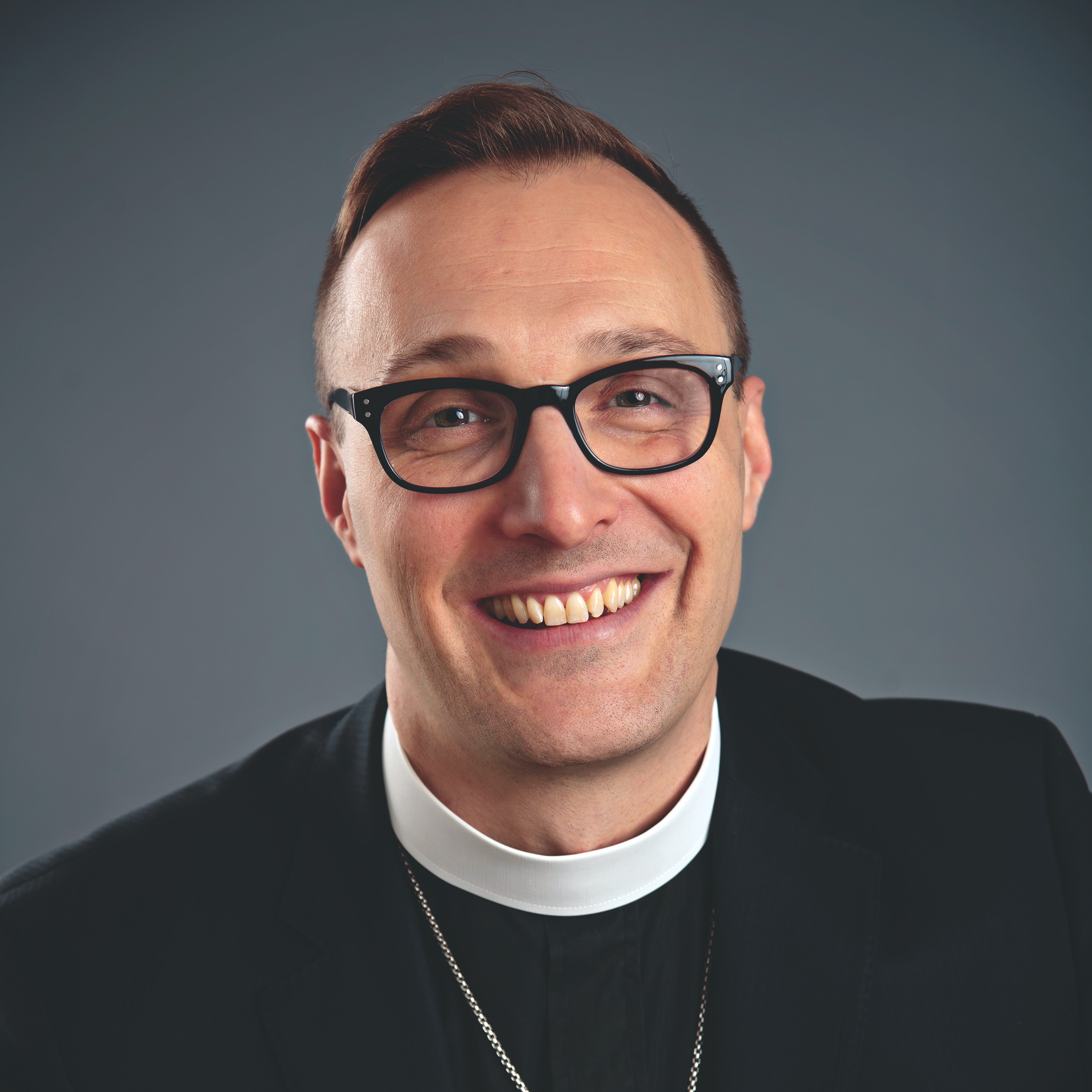
– Rev. David Haberstock, President of Lutheran Church–Canada
 LCC Facebook
 LCC Instagram