




The Flight Is Only the Beginning
by Matthew Shcroeder
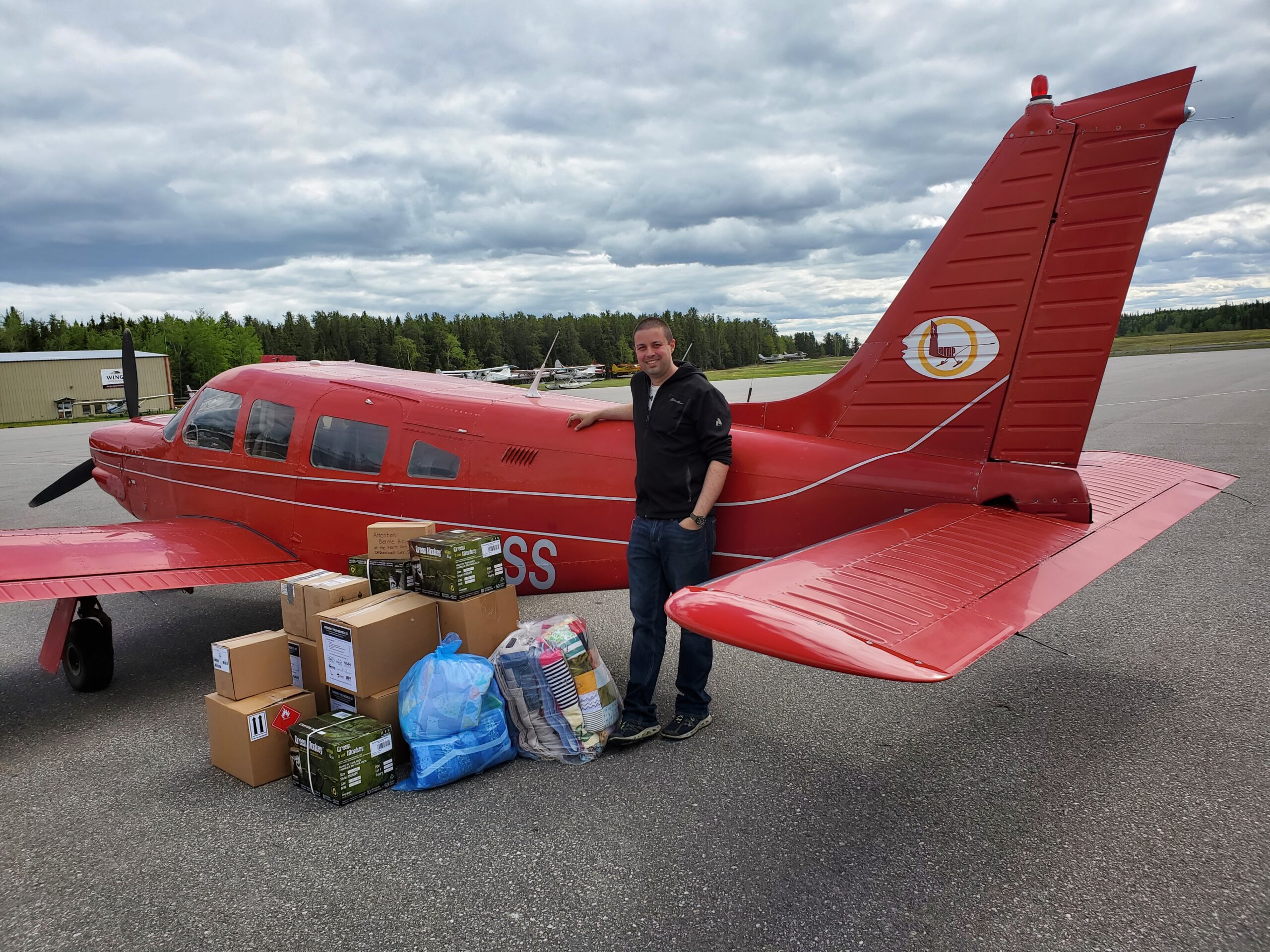
Andrew before loading LAMP’s plane with supplies for the North
For much of the year, there are no roads Andrew Anstey can take to reach many of the northern communities LAMP serves.
So he flies.
As a Mission Aviation Fellowship pilot serving with the Lutheran Association of Missionaries & Pilots (LAMP), Anstey pilots a small aircraft across roughly one million square kilometres of Saskatchewan, Manitoba and Ontario. His work connects him with approximately 50 remote First Nation communities, flying LAMP pastors and staff that makes ministry in these places possible.
But after 14 years of flying in Northern Canada, Anstey knows that getting there is only the first challenge. The deeper work begins after the engine stops.
Some of the communities LAMP serves face realities intensified by isolation: long distances to specialized medical care, access to basic essentials and, in some places, limited access to pastoral support. There is also a history that Christian ministries cannot ignore. The legacy of residential schools and other harmful experiences with churches and outside institutions means that trust cannot simply be assumed because visitors arrive with good intentions. Trust takes time.
That is where MAF and LAMP have found common ground. LAMP brings more than five decades of relationships with First Nations communities and a long history of missionaries, pilots and volunteers serving across the North. MAF brings its own experience in mission aviation and supporting missionary pilots. Through Anstey, the two organizations are simply putting those strengths to work together—he remains an MAF missionary while serving day to day within LAMP’s northern ministry.
“MAF and LAMP share a conviction that aviation is a tool for ministry, not the ministry itself,” says Rev. Dr. Steven Schave, LAMP Executive Director. “Andrew’s secondment allows two ministries with a shared calling to serve together, while keeping the focus where it belongs: on the people, the relationships and what God is already doing in these communities.”
Invited In
One principle shapes everything that follows. “We don’t go to a community unless asked to come,” Anstey says.
That invitation matters. LAMP teams do not select a community and assume they know what people need. They arrive as guests. They reconnect with community leaders and families, listen, and respond to what is happening locally.
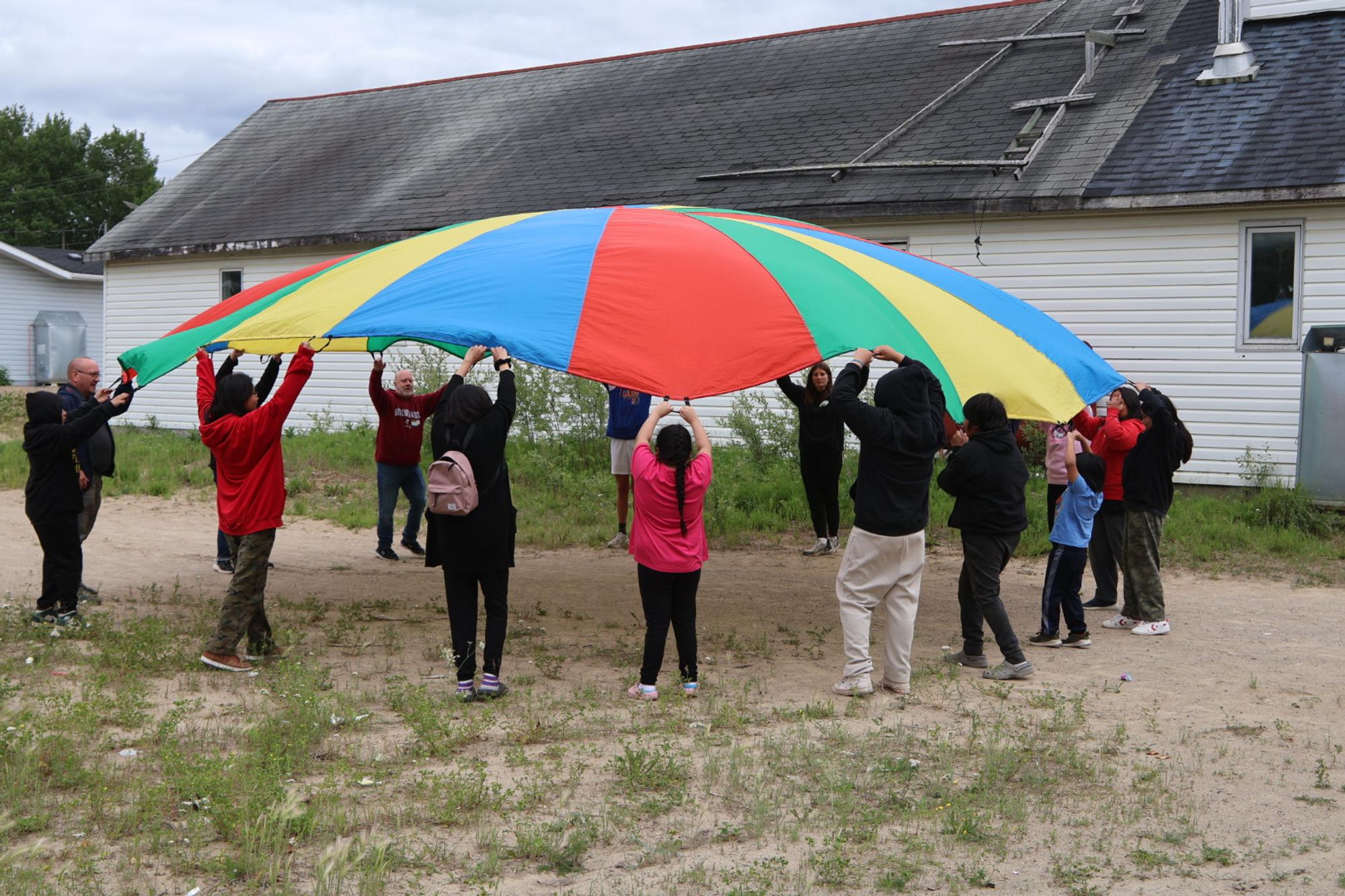
LAMP Games
Vacation Bible School is one of LAMP’s most visible ministries. During the summer, volunteers bring Bible stories, crafts, games, music and activities for children. But LAMP asks volunteers to think beyond the week itself. They are required to sign a minimum five-year commitment because the real goal is not simply to deliver a program but to build relationships.
A typical visit may begin with VBS, but it rarely ends there. As people get to know one another, volunteers may be invited into homes, community events, fishing trips or conversations that have nothing to do with a scheduled lesson. A carefully planned week can change when a funeral takes place or a family is grieving. Pastors may be asked to pray with leaders or spend time offering pastoral care.
LAMP volunteer and pastor Gerry Luck describes it this way: “It’s more than just bringing the Word, but also sharing life with them and building relationships.”
For Gilbert Good, who has lived in Gitanyow, BC on and off for about 30 years, the impact of those repeated visits is something he has watched over time.
“I’ve lived here, on and off for about 30 years. I really enjoy seeing teams come every year, and I hope to continue to see them because I notice a big change in our youth and in our younger generation.” Good shares. “I’m very thankful for the group to always come out every year and share their love for Jesus, and to bring all the children together and to just have fun and learn about Jesus, and show lots of love. And I’m very thankful for that.”
When One Child is Enough
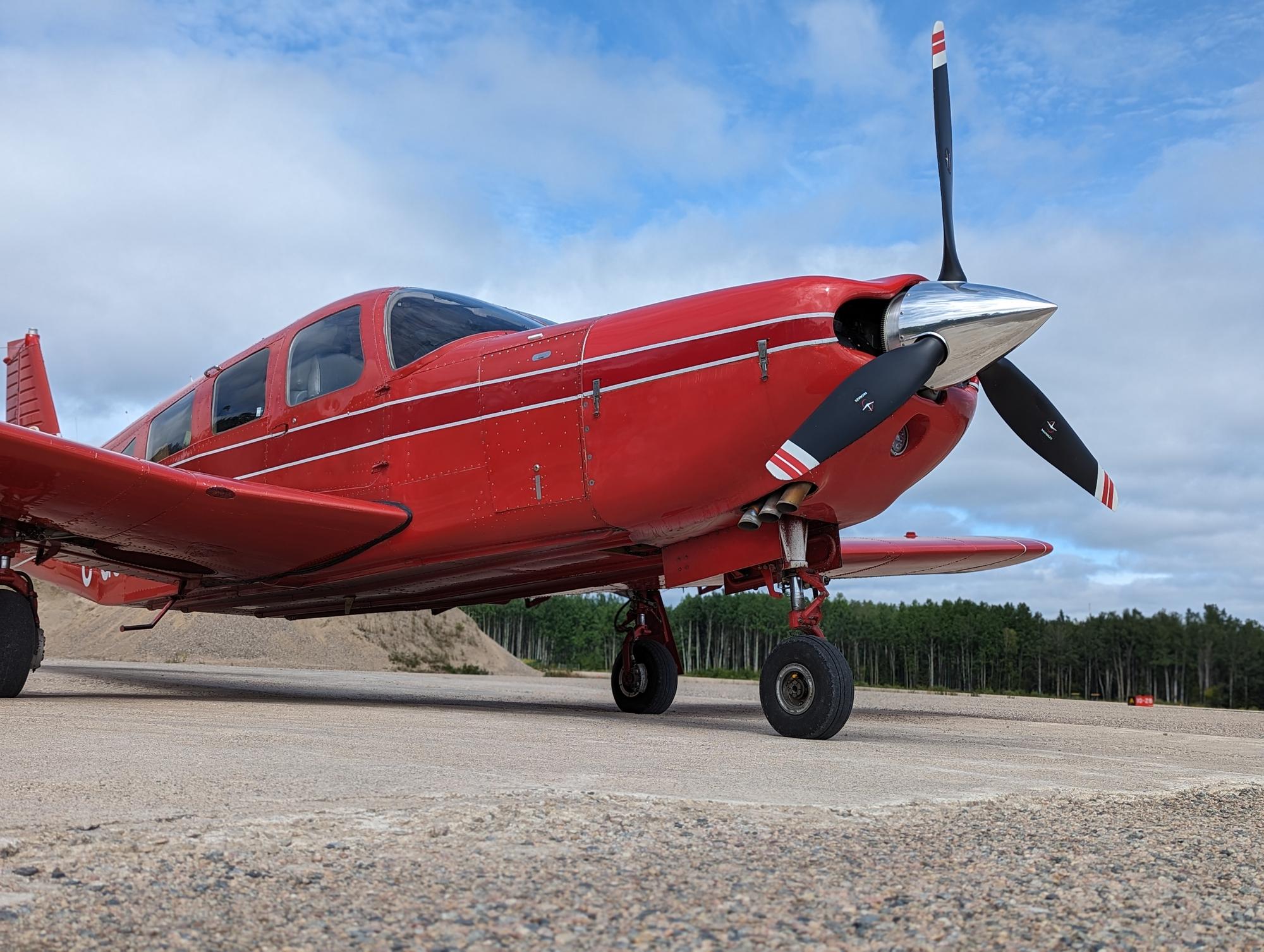
Red Pipper
Anstey gets to see the beginnings of those relationships from both the cockpit and the ground. In Cross Lake, Manitoba, one first-year team arrived prepared for a crowd. Eleven volunteers had travelled from Iowa. They arranged craft supplies, colouring pages, chairs, a projector and sound equipment inside a large community building. Announcements had gone out on local radio and social media. At one o’clock on the first afternoon, the doors opened. No one was there. Five minutes passed. Then 10. Then 15. Finally, after about 20 minutes, one child appeared, came inside and sat down to colour while the volunteers, a pastor and Anstey waited. More children eventually arrived, and 22 participated that first day. The next morning, children were already waiting outside before the doors opened. That day, 105 came. By the end of the week, 192 children had participated.
It would be easy to tell the story as a dramatic turnaround in attendance. That was not Anstey’s main takeaway. Even if the first child had been the only child who came, he believed the preparation, travel and expense would have been worthwhile. In another prayer update, Anstey asked supporters to pray that children attending VBS would know “that they are loved and cherished by God.”
For LAMP, the larger question is what happens after the room empties and the team goes home. The strongest signs of ministry often take years to appear.
What Trust Looks Like After Years
Anstey first met Elma about 13 years ago during one of his earliest trips with LAMP to Pelican Narrows, Saskatchewan. Her relationship with LAMP was already much older.
Elma came from Red Sucker Lake, Manitoba, where LAMP volunteers had been visiting for more than 40 years. Her mother befriended some of those early volunteers. Elma’s own children attended Vacation Bible School and later became leaders in their community, churches and the surrounding area. What began as an annual ministry visit had become a relationship spanning generations.
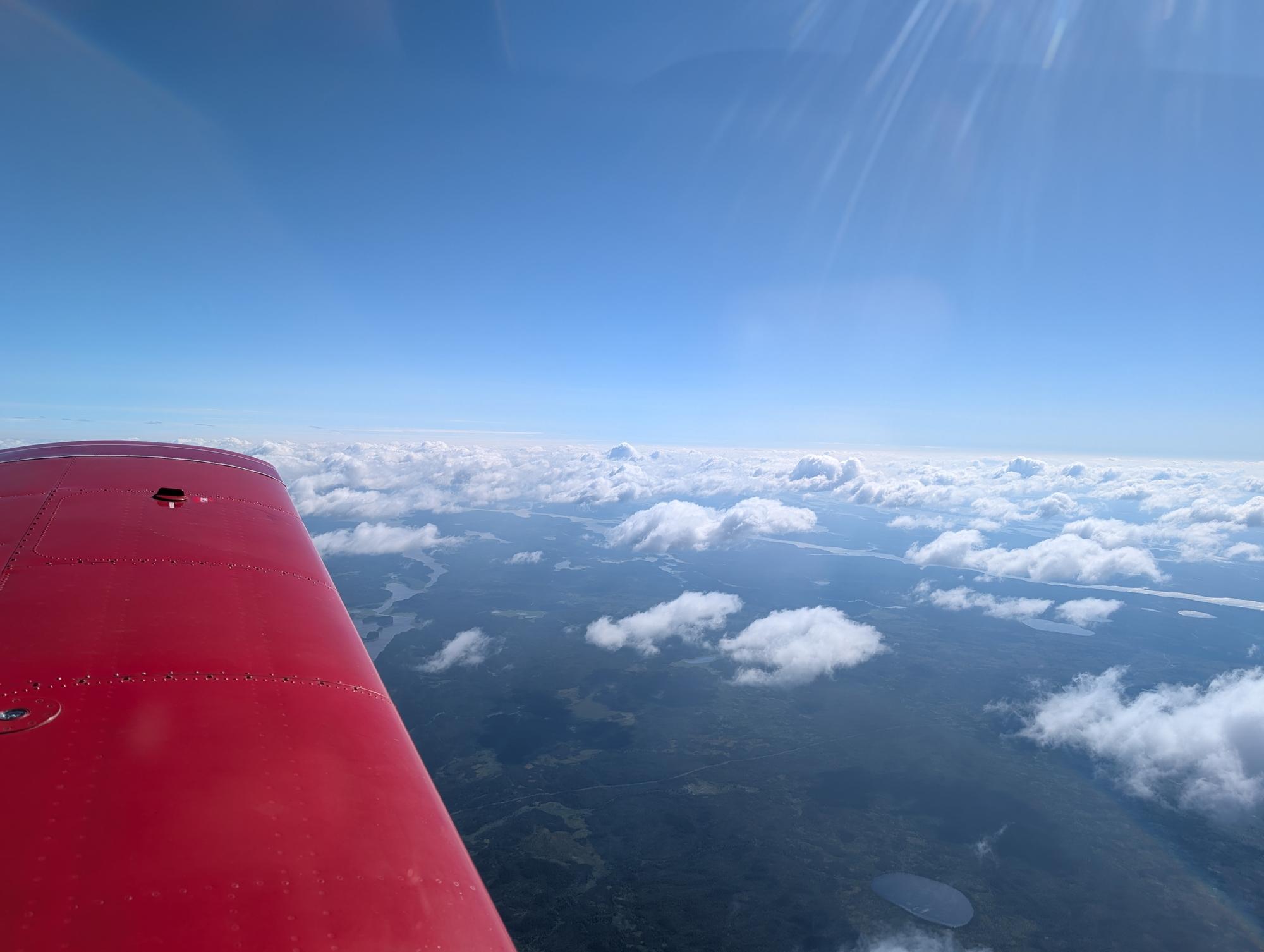
Northern Canada
Then, in 2024, Anstey received an invitation unrelated to Vacation Bible School. Many years earlier, Elma’s grandparents had contracted tuberculosis. Because adequate treatment was not available in their isolated community, they were transported elsewhere for medical care. Records were sparse, and they never returned home. For decades, Elma’s mother did not know exactly where her parents had gone or what had happened to them. Eventually, the family learned that they had been taken to The Pas, Manitoba, where they died. Because returning their bodies home was too costly, they had been buried near the town. Elma’s mother, then in her nineties, wanted to visit the place where her parents had been laid to rest.
Elma invited Anstey and another LAMP pastor to join the family.
At the cemetery, rows of white crosses marked the graves, but original markers had long since disappeared. The family could not identify the exact gravesite. Standing there, Anstey found himself thinking about why he had been invited into such a personal moment. “As I stood there, looking out over the graveyard, I wondered why I had been invited and privileged to join this family during such an intimate and personal moment,” he later wrote.
There was nothing for him to deliver, nothing to fix, and no program to run. He was simply there because a relationship built over years had made him someone the family wanted beside them. That is something an airplane alone can never accomplish.
Changed on Both Sides
Long-term relationships also have a way of changing the people who arrive thinking they are there primarily to help.
When Judi Luckhardt first volunteered at Hall Lake, Saskatchewan, in 2008, she brought plenty of enthusiasm and a desire to make a difference. Her perspective changed quickly. “I went in there to ‘change people’s lives,’ and when I got there I learned that I don’t need to change them, I just need to support them.”
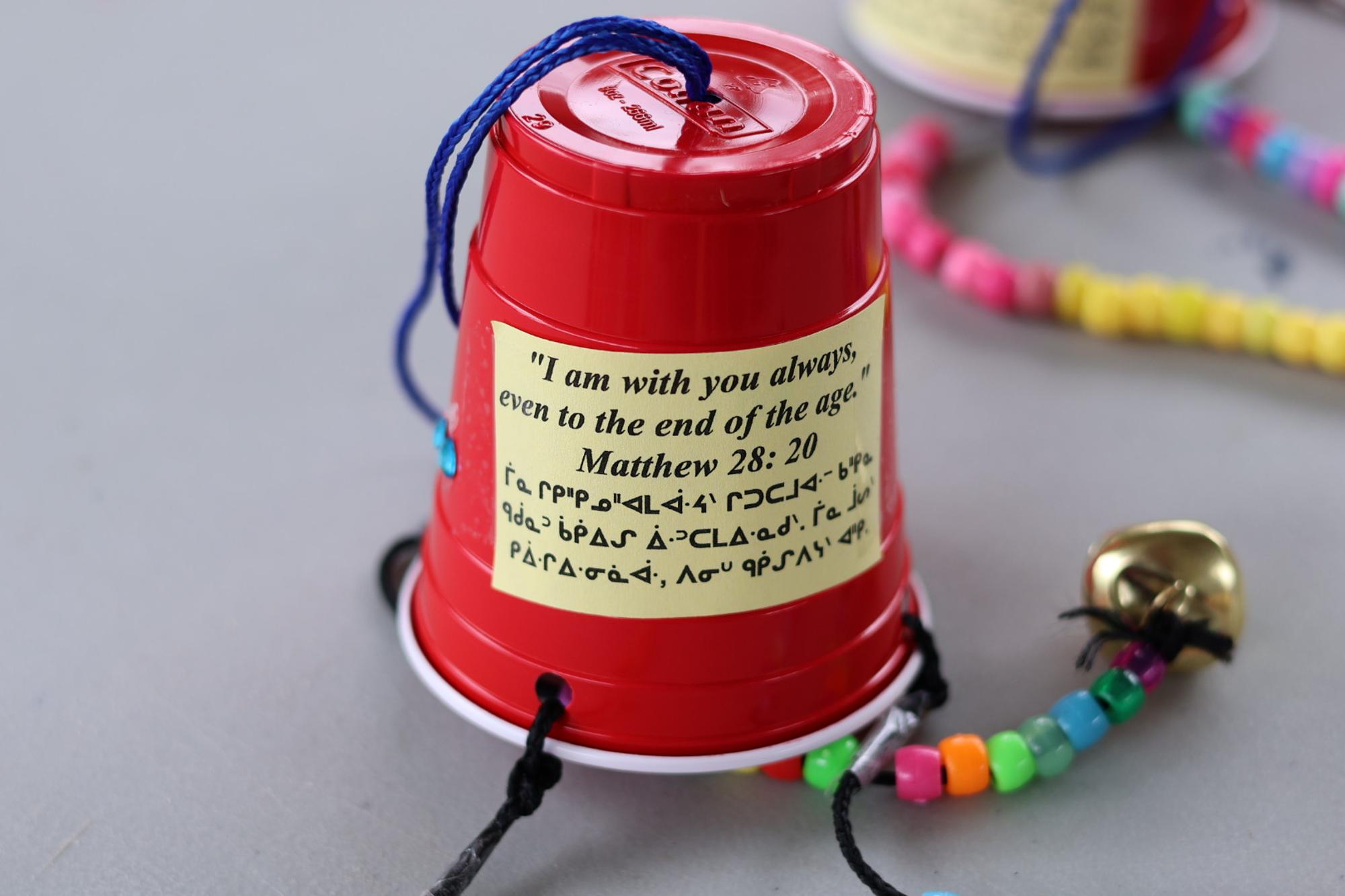
Judi and her husband, Brian, kept returning. VBS was part of their involvement, but over time they also returned for festivals, celebrations and other events. Their relationships extended beyond formal ministry until they came to know as many as four generations within some families.
One young woman Judi first knew as a child grew up in a large family with limited material resources. Years later, she drove approximately 150 kilometres simply to see Judi and Brian and give them a hug. She went on to pursue education and now spends several days each week helping people recovering from addiction. She still reaches out to Judi for prayer, encouragement and advice.
Her accomplishments are her own. The value of the long relationship is not that LAMP can claim responsibility for who she became. It is that Judi and Brian were able to remain close enough, long enough, to encourage her and eventually witness a child they had known grow into an adult serving others.
The change also moves in the other direction.
Sue Folger first travelled to a remote northern community in 1984. She began visiting Red Sucker Lake in 1987 and maintained relationships there for decades, sharing weddings, funerals and family milestones. Eventually, she and her husband were adopted into a family in the community.
Over time, that kind of relationship changes the traditional picture of mission. Northern communities bring their own leadership, knowledge, hospitality, resilience and gifts. Volunteers may travel north, intending to give, only to discover how much they have to learn.
Gerry has seen that happen repeatedly. Volunteers arrive with plans and assumptions about what the week will look like, only to discover that circumstances and relationships lead somewhere unexpected. “We all come with preconceived notions of what we’re going to do,” he says. “Plan the things, and then pray that God exposes you to so much more.”
Building on What Has Begun
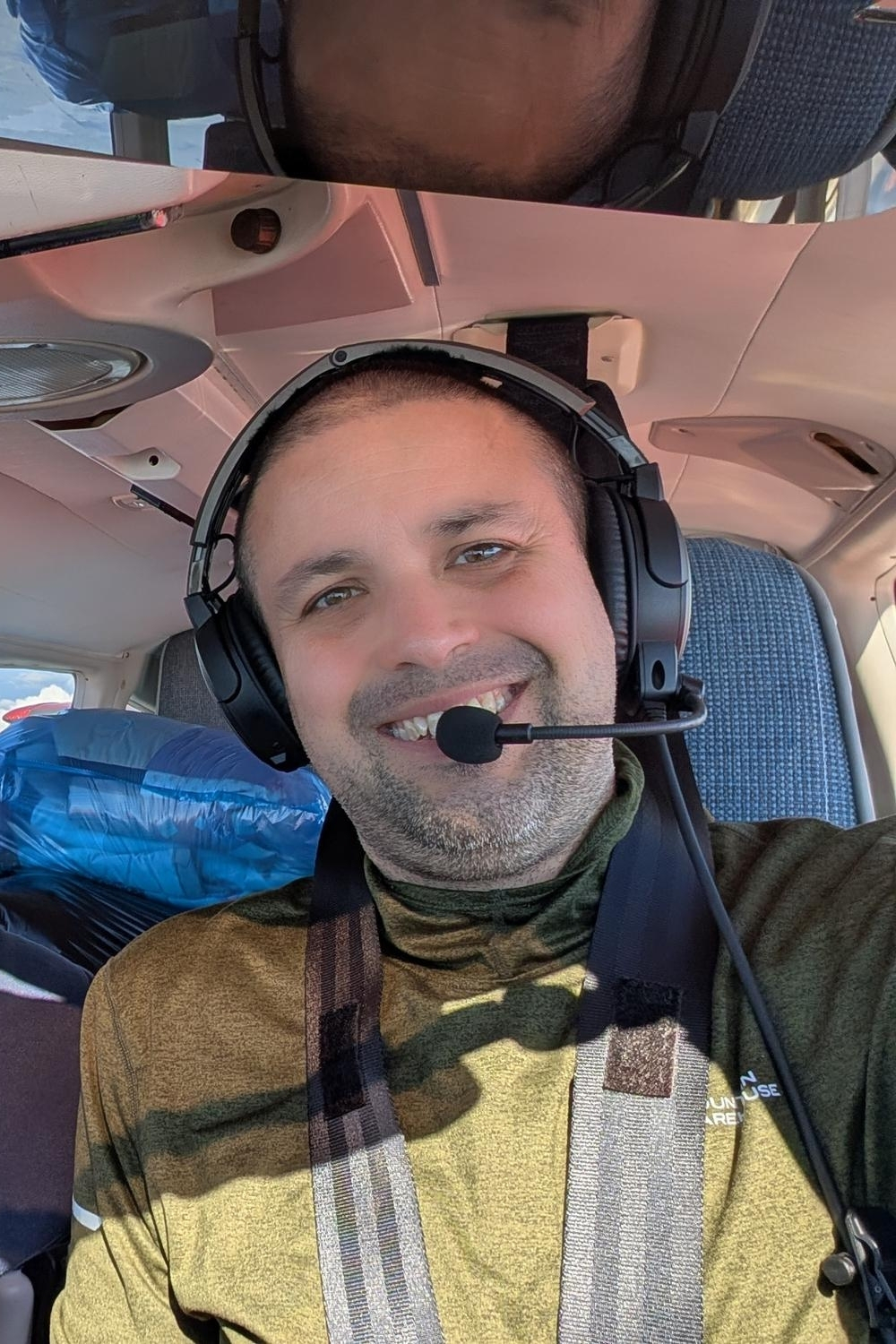
Andrew Anstey
After more than five decades of ministry, LAMP wants to build on those relationships by responding to invitations from more northern communities. That will require more volunteers willing to do more than make a single trip. The model depends on people prepared to return, listen and allow friendships to deepen over time.
Aviation remains an important part of that future. The distances are enormous, the flying can be demanding, and weather and wildfires can quickly change plans. Andrew’s flights help LAMP pastors and staff do the advance planning, logistical work and pastoral ministry that supports those relationships, while volunteer teams make their own way into the communities they serve.
As Gerry puts it, “The first year no one knows you. The second year, you’re greatly welcomed. By the time you’re in five years, you’re entrenched and loved and known.”
For Anstey, that is what the flying ultimately serves. The airplane can cross hundreds of kilometres in an afternoon. Friendship takes longer.
The flight is only the beginning.
Matthew Shcroeder is the Head of Communications for Mission Aviation Fellowship Canada.
 LCC Facebook
 LCC Instagram